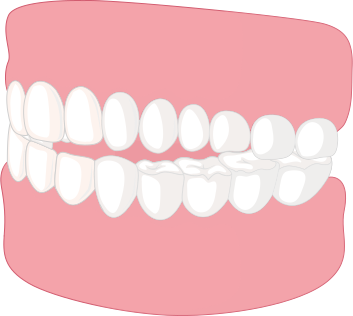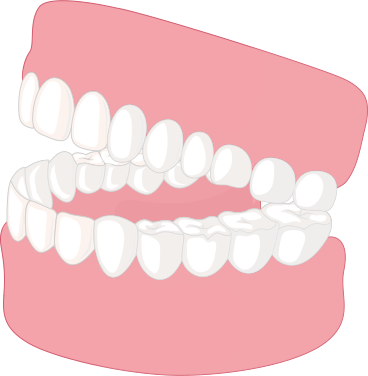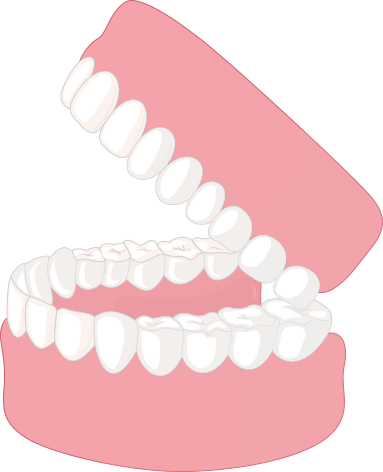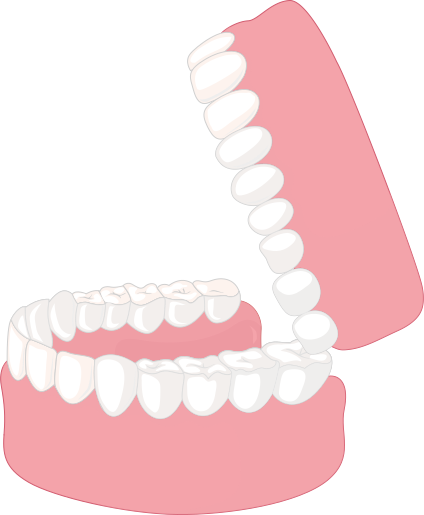

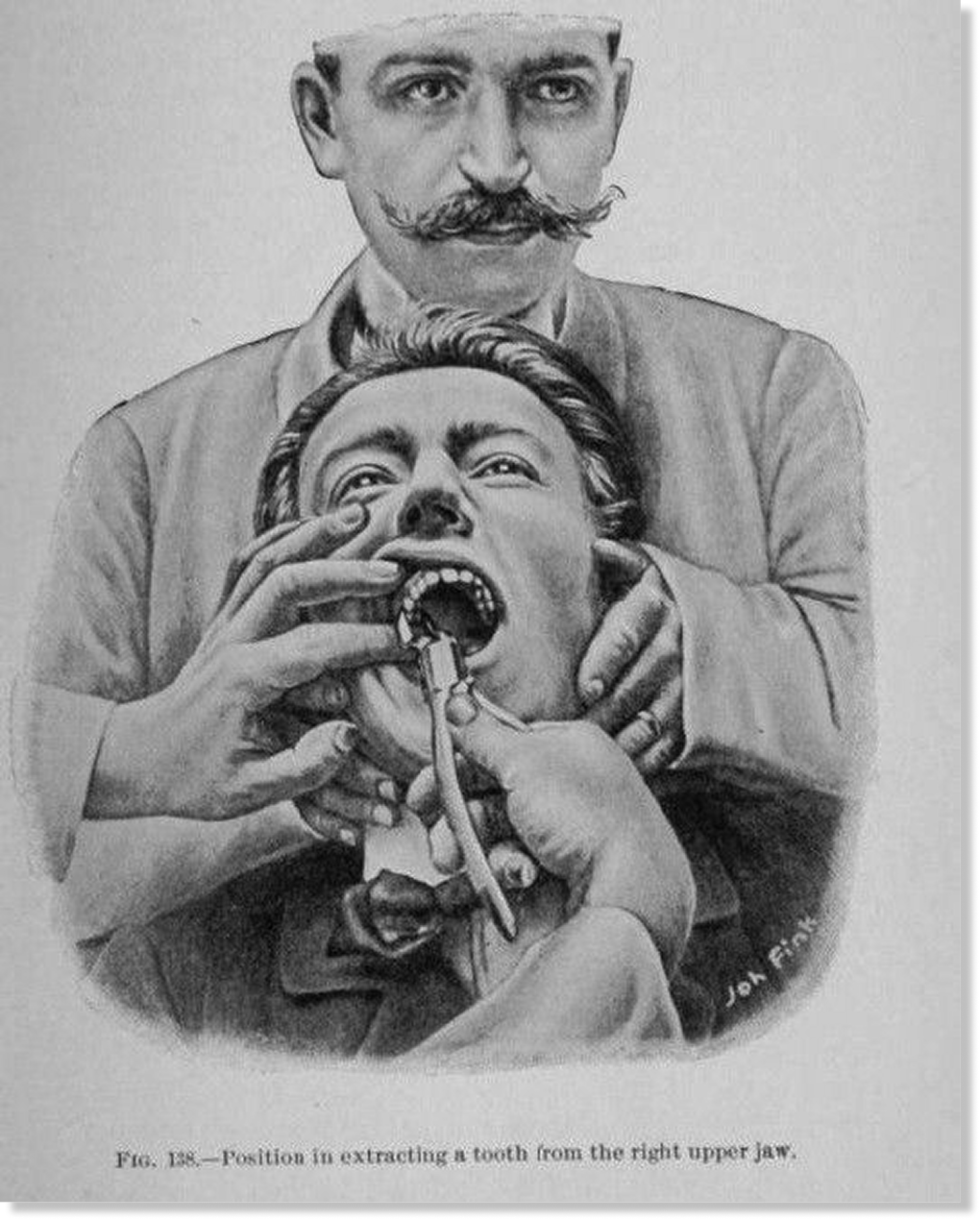




Otherwise, you’ll have
to eat through a straw
to eat through a straw
Otherwise, you’ll have
to eat through a straw
to eat through a straw

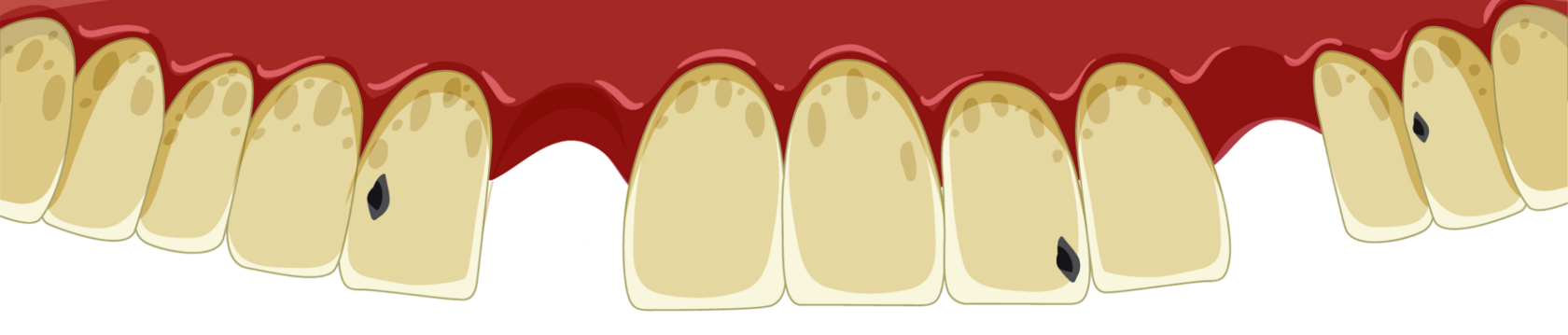








take care of your teeth from a young age
take care of your teeth from a young age


to eat through a straw
to eat through a straw
Otherwise, you’ll have
Otherwise, you’ll have
from a young age
from a young age
take care of your teeth
take care of your teeth



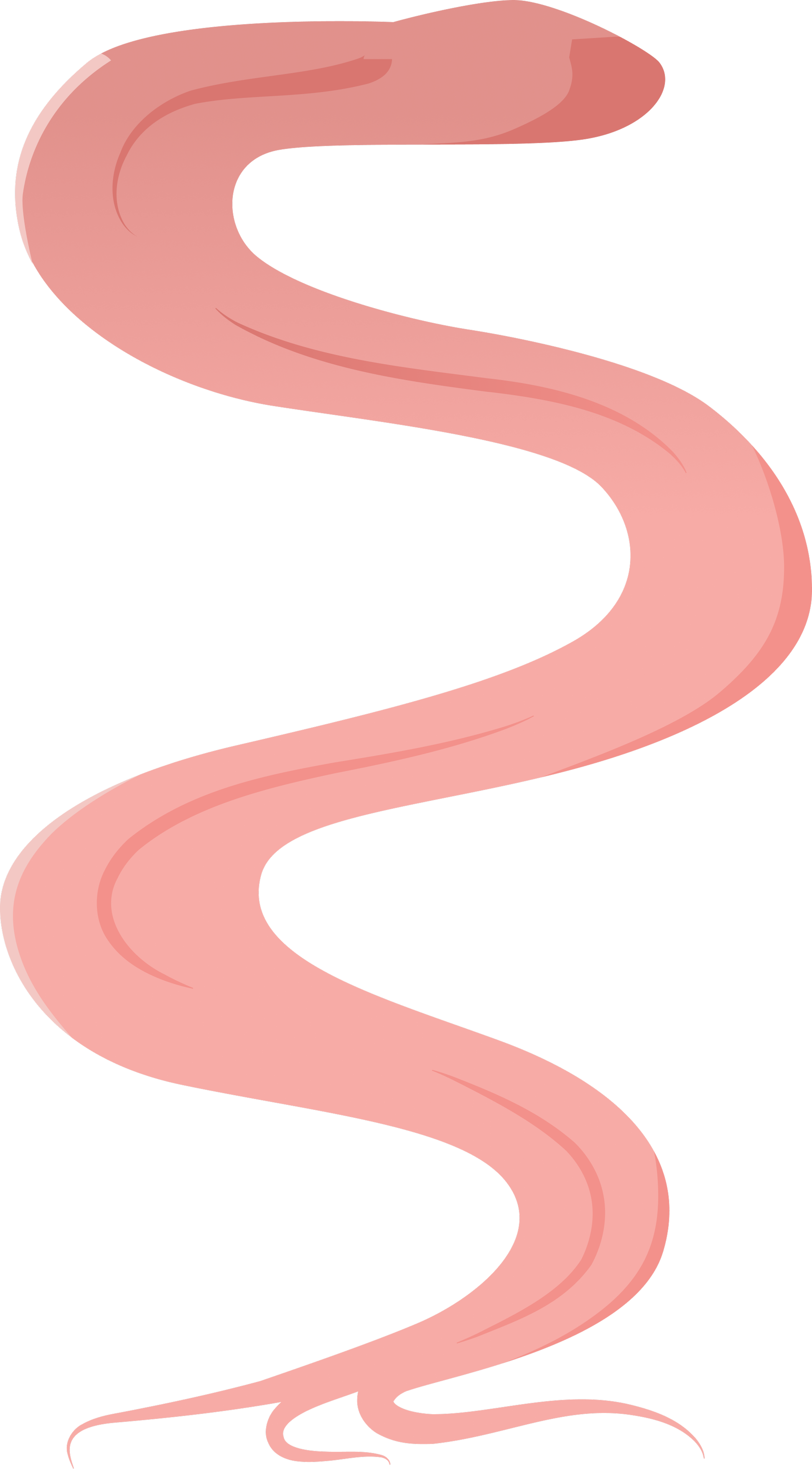
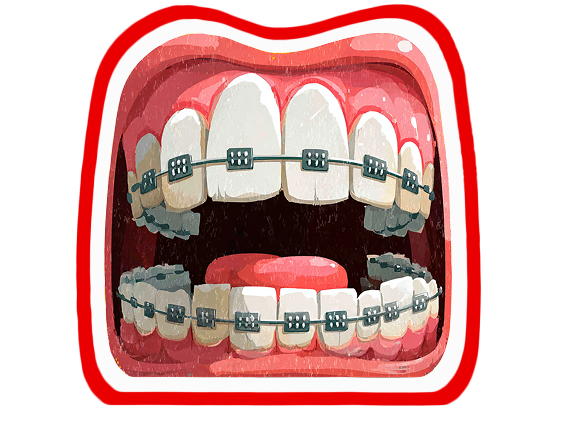
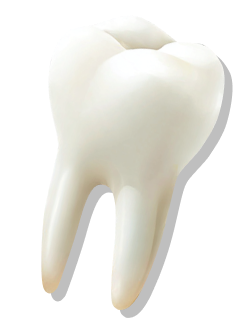









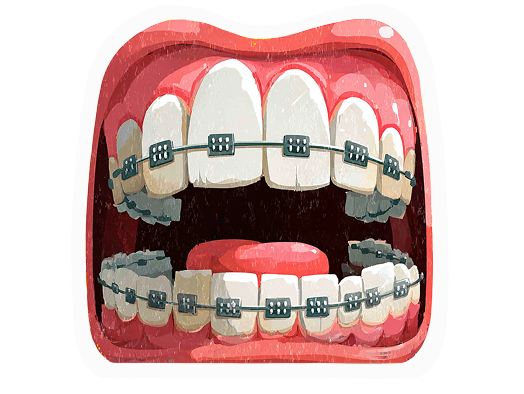

baby teeth
The first rudiments of teeth appear in our mother’s womb, from 7−13 weeks of pregnancy. But then they don’t need care yet!

cats are born without teeth

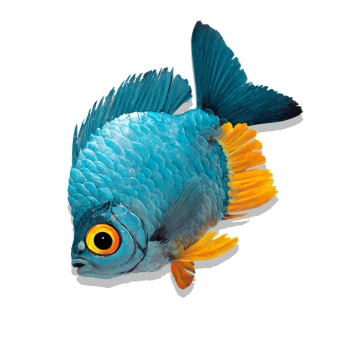
Only 5−10% of fish have no teeth

baby teeth fall out from 6 to 13 years of age
Thanks to them, the bite of permanent teeth is formed, and what happens to the teeth in adulthood depends on this and on the care.
By the age of 3, a child has a complete set of baby teeth. You might think that they are temporary, but in fact they are the foundation of the future.

They are called "dairy" because of the Hippocratic theory

MEOW!
Help!



The first rudiments of teeth appear in our mother’s womb, from 7−13 weeks of pregnancy. But then they don’t need care yet!


cats are born without teeth
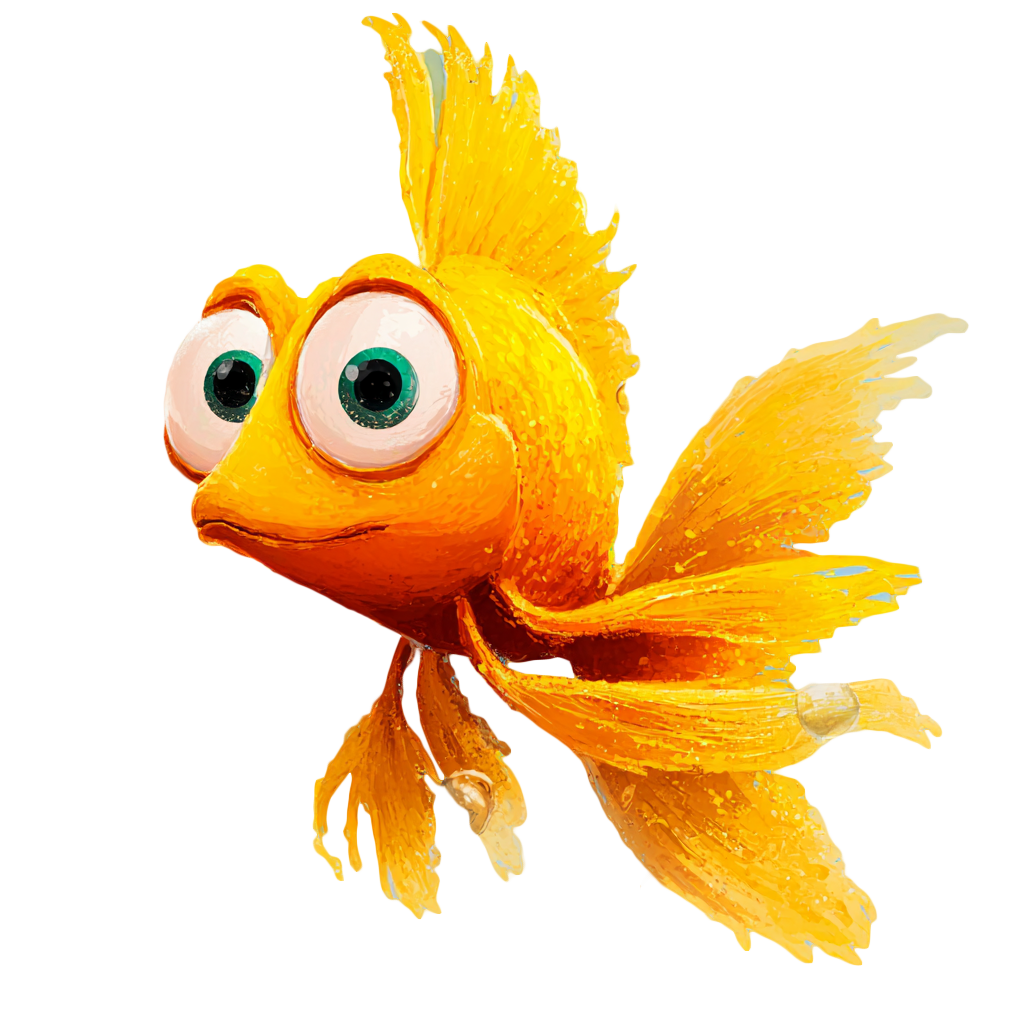
Only 5−10% of fish have no teeth
baby teeth fall out from 6 to 13 years of age
By the age of 3, a child has a complete set of baby teeth. You might think that they are temporary, but in fact they are the foundation of the future.
Thanks to them, the bite of permanent teeth is formed, and what happens to the teeth in adulthood depends on this and on the care.
They are called "dairy" because of the Hippocratic theory
baby teeth









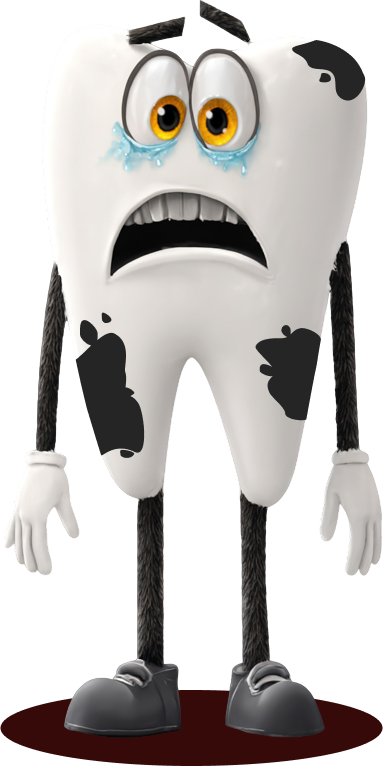
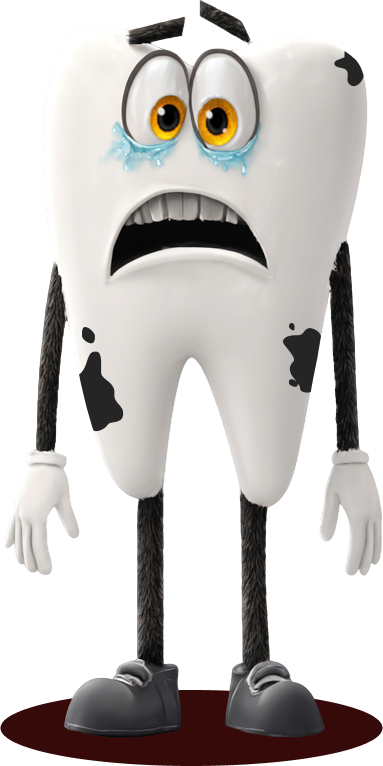
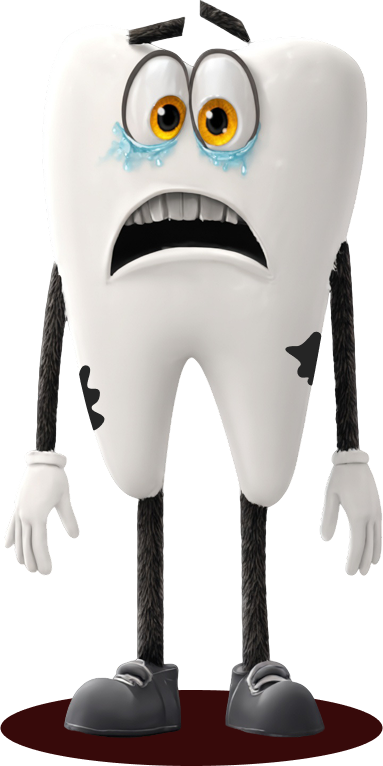
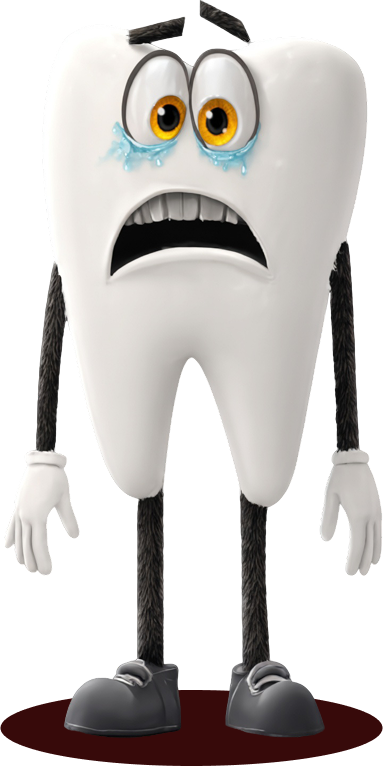
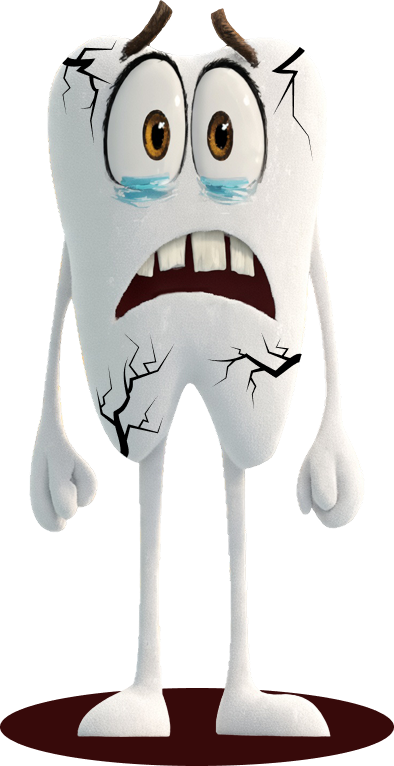
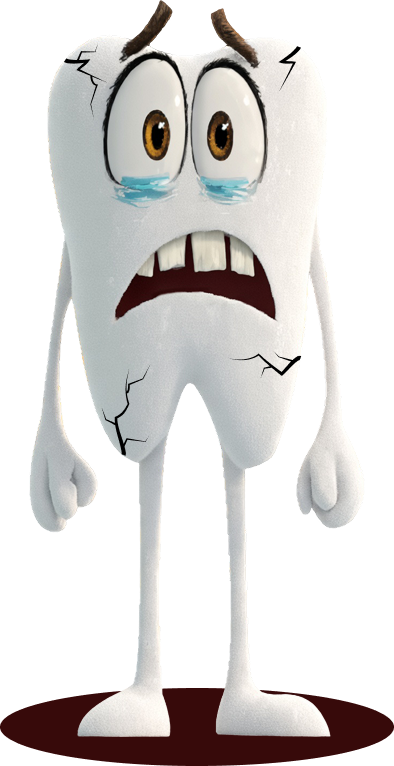
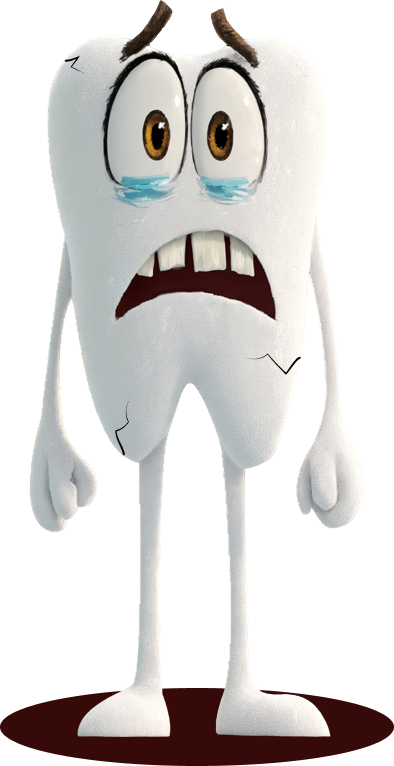
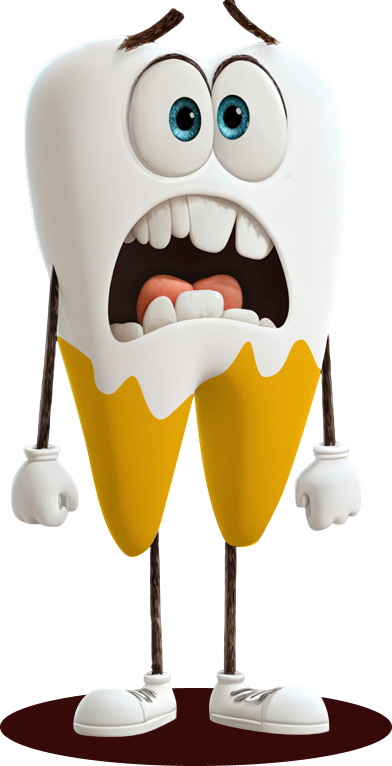
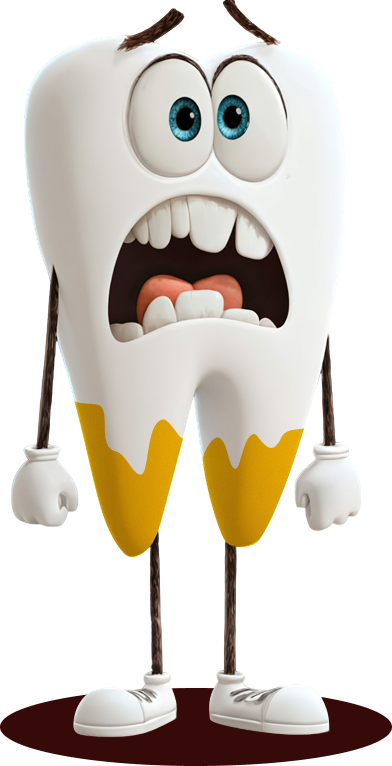
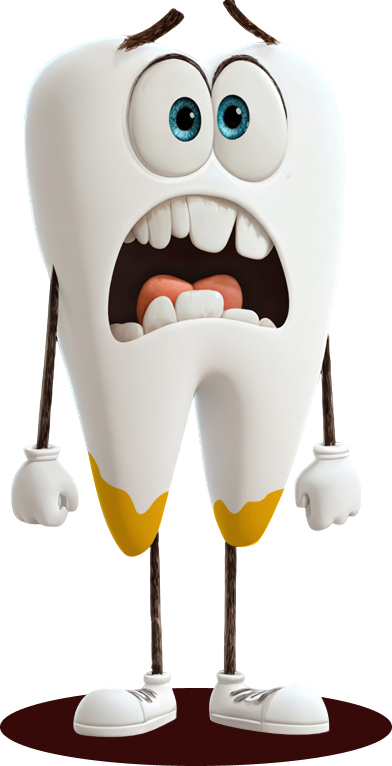
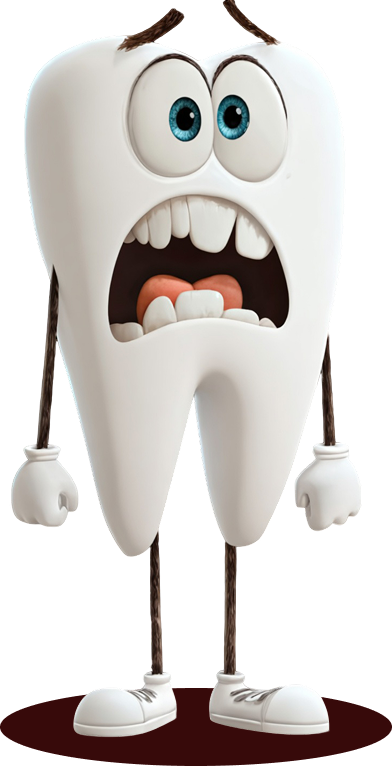
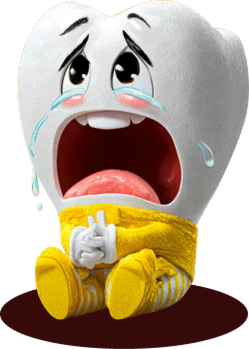
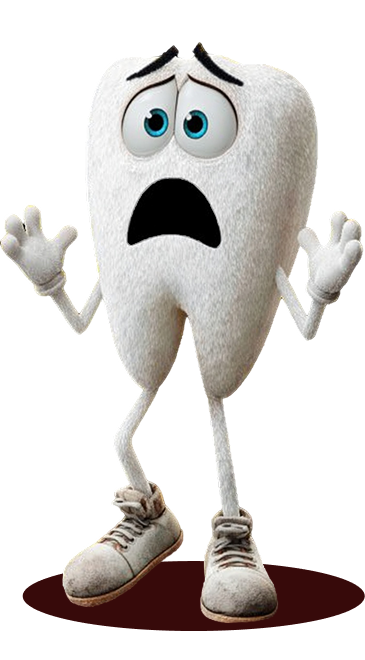
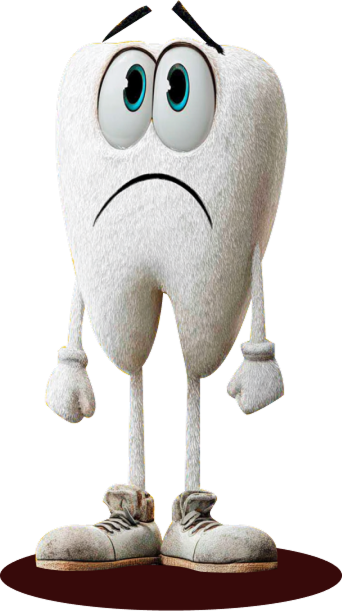


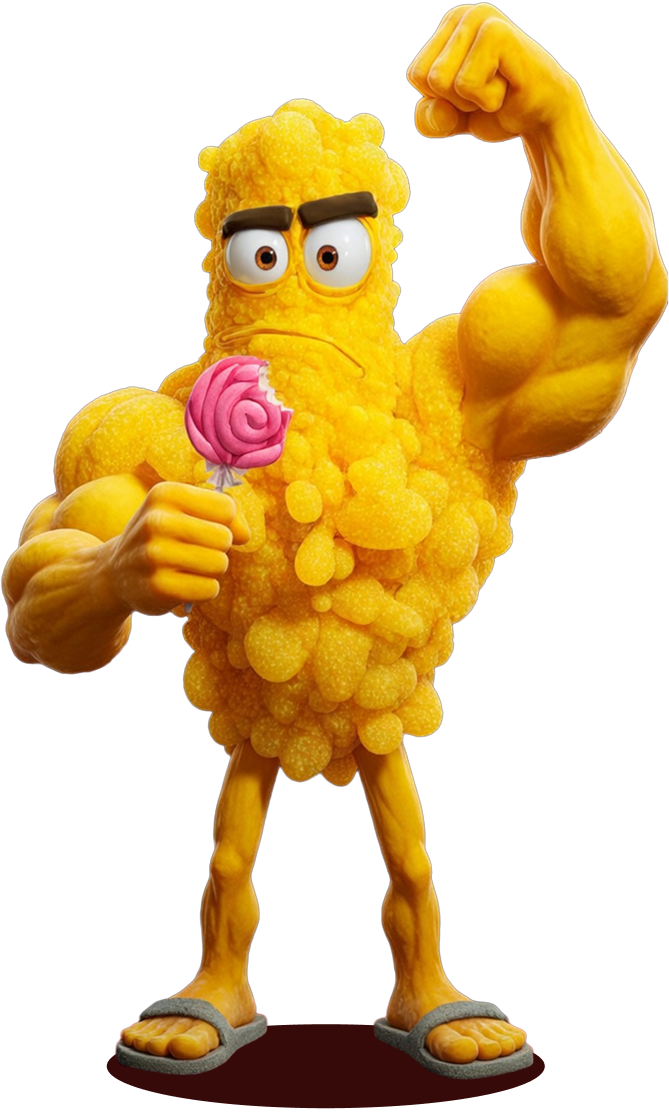



Therefore, baby teeth are more vulnerable!

micro-cracks
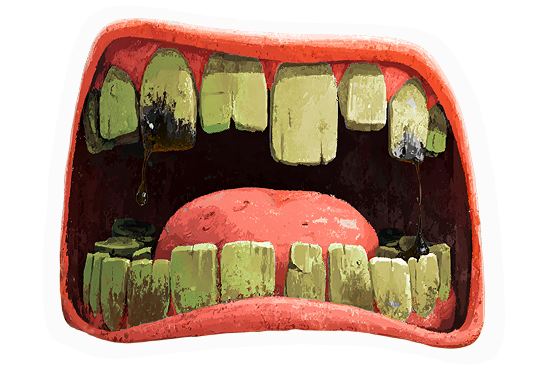
dental decay
The raid

With age, the load increases: frequent snacking, sugary drinks, sticky foods, sour juices — all this prolongs the contact of the enamel with bacteria.

Babies have little saliva, which helps flush out bacteria.

They feed on sugars and carbohydrates from food, become stronger and attack the enamel.

There are always bacteria in the mouth, and after eating there are more of them.

The enemy!




TICK-TOCK
!!!
!!!

TICK-TOCK
!!!
!!!

TICK-TOCK
!!!
!!!
The danger does not accumulate immediately, but regularly
if you do not keep it clean
if you do not keep it clean




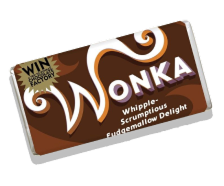

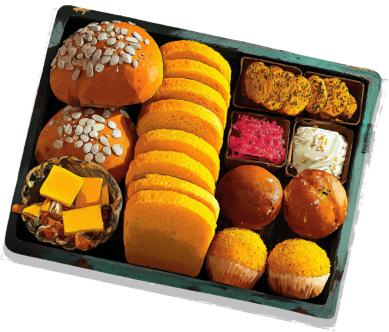
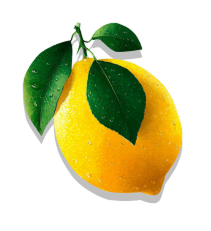

click
on any product
on any product

collect a basket with healthy dental products


But the harm is not always in the products,
but in how carefully a person monitors
the cleanliness of the oral cavity
but in how carefully a person monitors
the cleanliness of the oral cavity
But the harm is not always in the products,
but in how carefully a person monitors
the cleanliness of the oral cavity
but in how carefully a person monitors
the cleanliness of the oral cavity

click
on the text
on the text
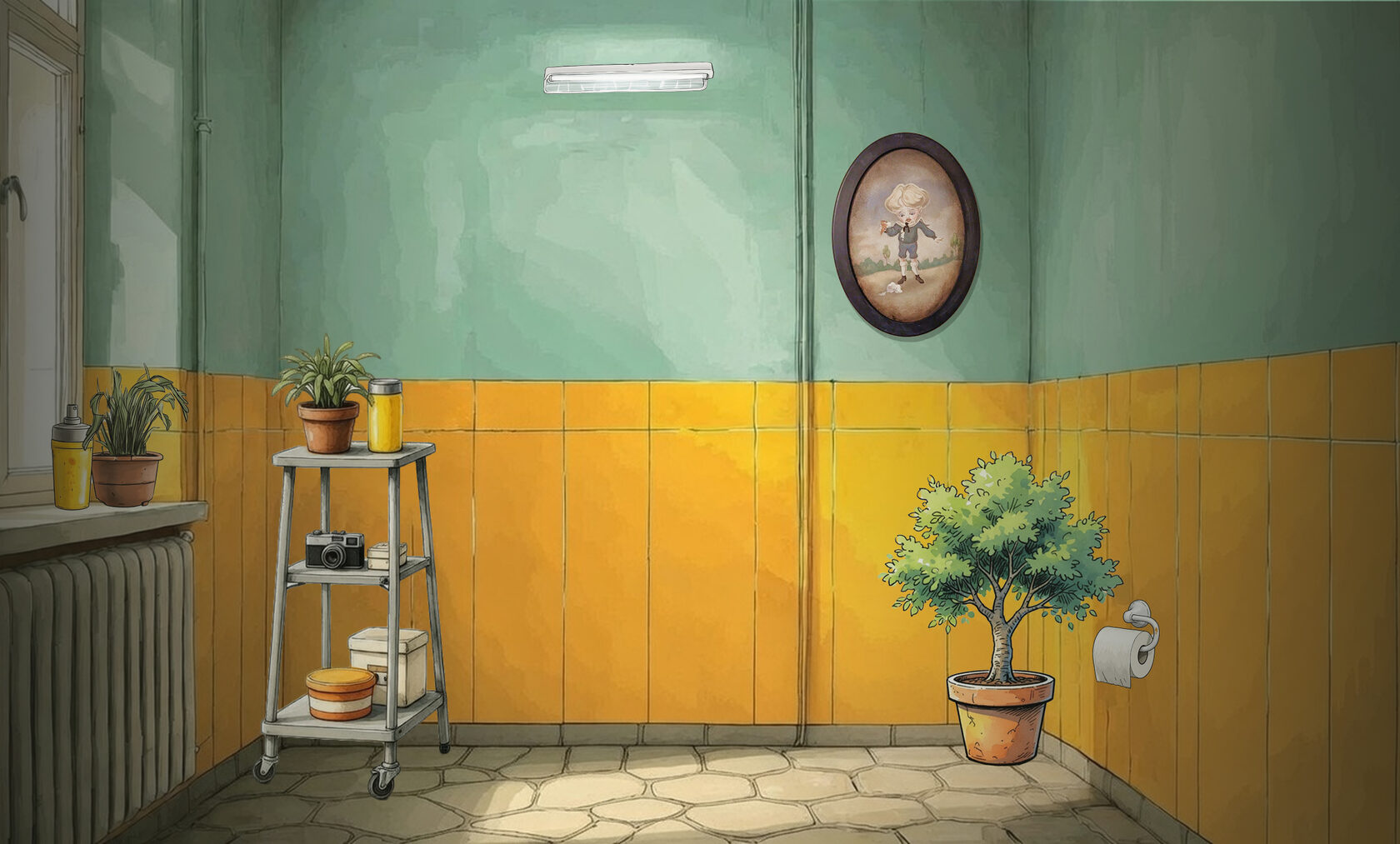

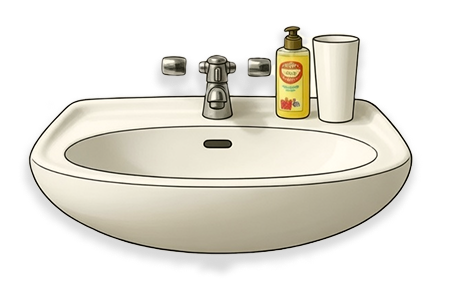


about strong teeth

Brush your teeth properly, NOT just with horizontal movements.
Do not apply too much pressure to your teeth during brushing!
Brush your teeth slowly!
Brush your teeth at least 2 times a day (morning and evening).
Refresh your toothbrush every
2−3 months.
2−3 months.
5 Main Secrets
of a healthy smile:
of a healthy smile:
5 Main Secrets
of a healthy smile:
about strong teeth
Brush your teeth properly, NOT just with horizontal movements.
Do not apply too much pressure to your teeth during brushing!
Brush your teeth slowly!
Brush your teeth at least 2 times a day (morning and evening).
Refresh your toothbrush every
2−3 months.
2−3 months.
5 Main Secrets
of a healthy smile:
of a healthy smile:
5 Main Secrets
of a healthy smile:


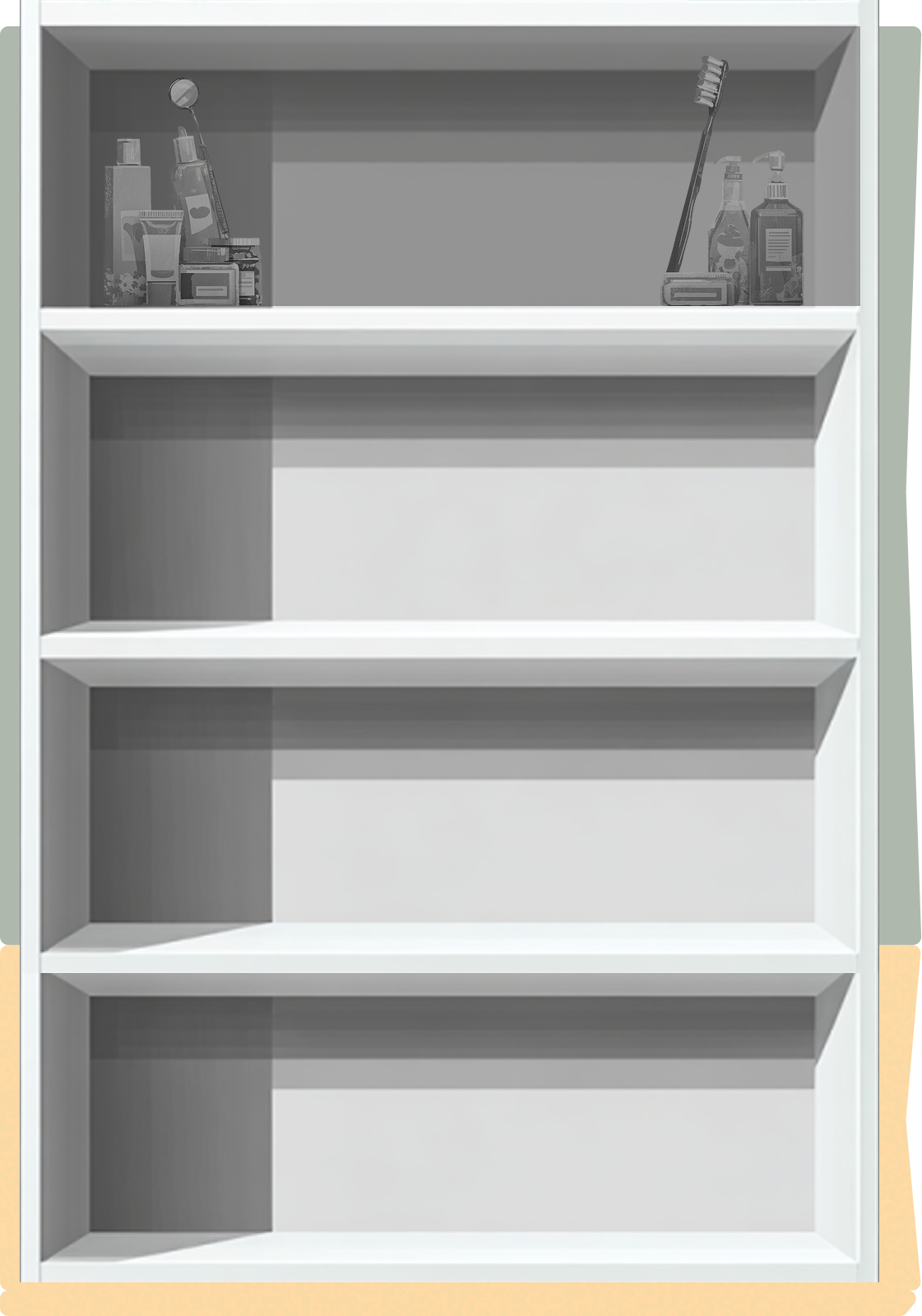
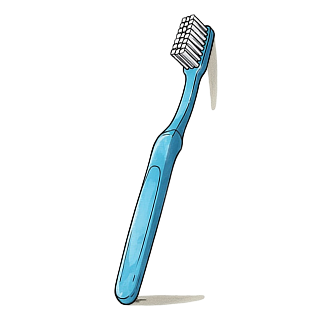

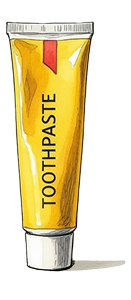
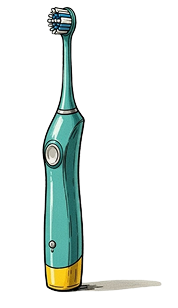

important
for healthy teeth

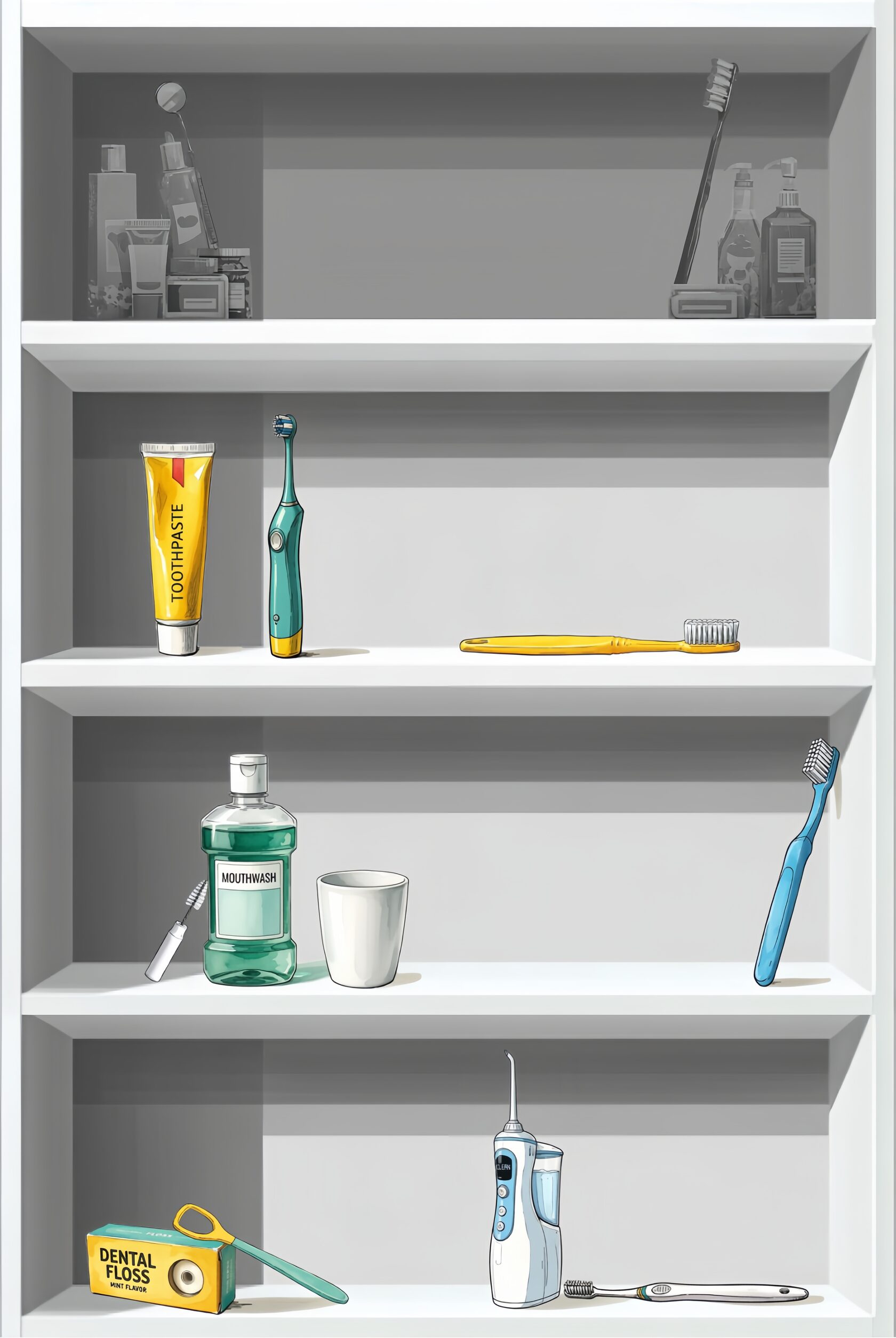
It is better to choose according to the dentist’s advice. There are different types of pastes: with fluoride, calcium, phosphorus or herbs.
toothpaste

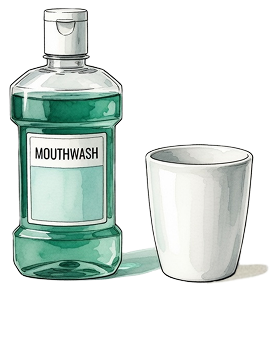
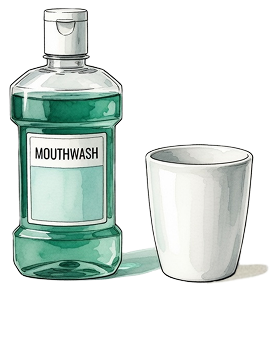
A mouthwash will help remove leftovers.
mouthwash
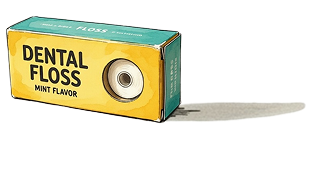
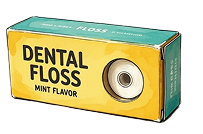
Puts food between his teeth. Use it during the day
as needed.
as needed.

dental floss

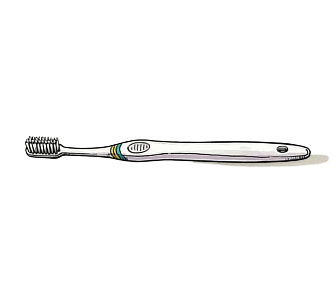
Choose responsibly:
not too soft (plaque
will not remove) and not too hard (it will scratch the gums).
not too soft (plaque
will not remove) and not too hard (it will scratch the gums).

Toothbrush

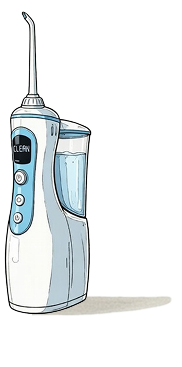
The device washes out leftover food with water and performs a gum massage.
irrigator

click
on the text
on the text
important
for healthy teeth
Лучше выбрать по совету стоматолога. Пасты бывают разные: с фтором, кальцием, фосфором или травами.
зубная паста
Ополаскиватель поможет убрать остатки еды.
ополаскиватель полости рта
Убирает еду между зубами. Используйте днем
по необходимости.
по необходимости.
зубная нить
Выбирайте ответственно:
не слишком мягкую (налет
не снимет) и не слишком жесткую (поцарапает десны).
не слишком мягкую (налет
не снимет) и не слишком жесткую (поцарапает десны).
зубная щетка
Устройство вымывает водой остатки пищи и выполняет гидромассаж десен.
ирригатор
щелкните
по тексту
по тексту

click on any
item on the shelf
item on the shelf

Toothbrush
Toothbrush
Toothbrush

Mouthwash

Dental floss
(floss)
(floss)
Electric brush

Irrigator
Toothpaste

Step 4
Step 4

To achieve maximum results, it is advisable to treat the interdental spaces with special dental floss.

After brushing your teeth, rinse your mouth with a fluoride-containing mouthwash or water.

You should brush your teeth at least 2 times a day, without fail — in the morning after breakfast and in the evening before going to bed.

Step 3
Step 3

After cleaning the chewing surfaces, close your teeth and treat the side surfaces with circular movements of the brush.



step 2
step 2

Clean the chewing surfaces with horizontal movements.

Apply the paste on your toothbrush.
step 1
step 1
Move the brush with sweeping movements from top to bottom, lightly grabbing the edge of the gum.
Do not forget about the inner surface of the teeth!

how to brush your teeth

You should brush your teeth at least 2 times a day, without fail — in the morning after breakfast and in the evening before going to bed.
step 4
step 4
To achieve maximum results, it is advisable to treat the interdental spaces with special dental floss.
After brushing your teeth, rinse your mouth with a fluoride-containing mouthwash or water.
step 3
step 3
After cleaning the chewing surfaces, close your teeth and treat the side surfaces with circular movements of the brush.
step 2
step 2
Clean the chewing surfaces with horizontal movements.
Do not forget about the inner surface of the teeth!
step 1
step 1
Move the brush with sweeping movements from top to bottom, lightly grabbing the edge of the gum.
Apply the paste on your toothbrush.

how to brush your teeth

The wrong dental cleaning technique
is harmful to your health
is harmful to your health
The wrong dental cleaning technique
is harmful to your health
is harmful to your health




There is nothing more important than family
....and brushing teeth
....and brushing teeth

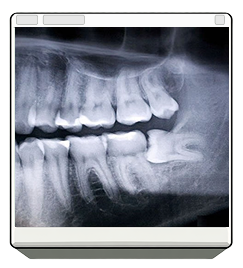
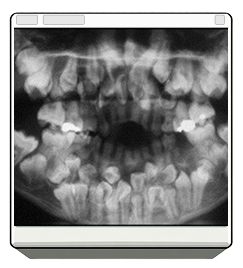

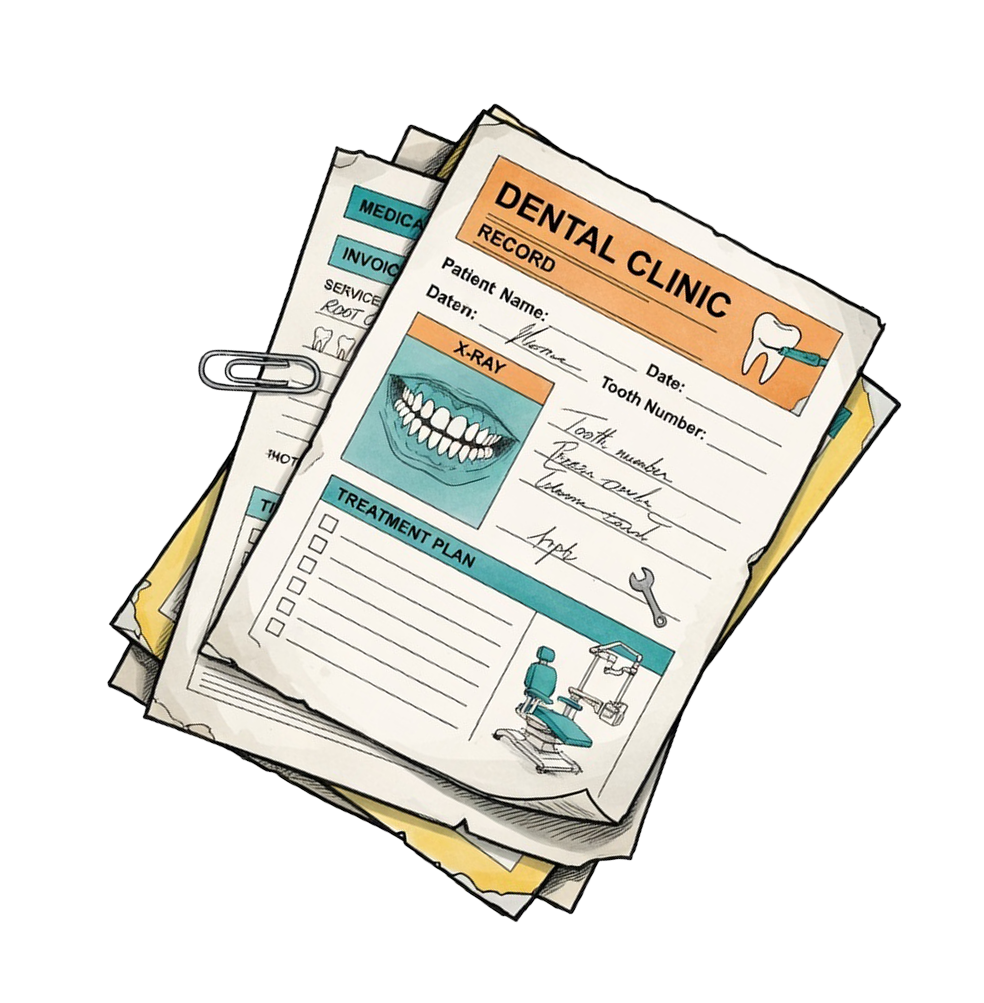
Going to the dentist is an important part of maintaining oral health, even if nothing hurts. Caries and gum inflammation in the early stages may be asymptomatic.

Regular Prof. Brushing teeth helps to remove stones and plaque.
Recommendation 3

The child's first visit to the doctor is recommended before the age of 1 to assess the general condition of the oral cavity.
Recommendation 2

Visit the dentist at least once every 6 months to avoid the development of diseases.
Recommendation 1





And as a doctor







Therefore, dental health depends on care and habits.
Look at how thin the protection
of your teeth is.
Look at how thin the protection
of your teeth is.

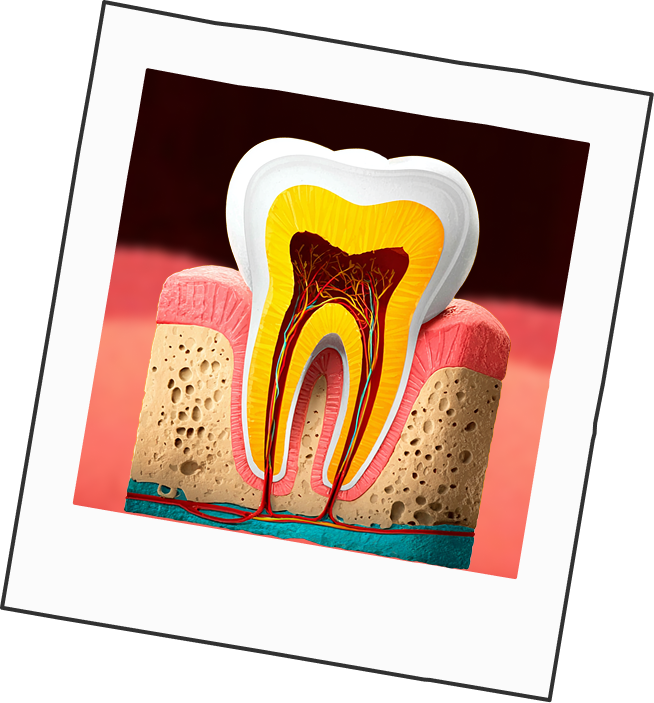
Teeth are often called bones, but they are not.
Bones can repair themselves, but tooth enamel can’t!
Bones can repair themselves, but tooth enamel can’t!

what the doctor knows



Bundles of fibers that, like ropes, hold the root in the bone.

It covers the root of the tooth, helps it to stay in the hole.

The "heart" of the tooth, the soft tissue inside. It contains nerves and blood vessels, nourishes the tooth and gives a reaction to cold/ hot.

The hardest layer covering the crown. Protects the tooth from caries and stress.

The dense tissue under the enamel makes up most of the tooth.

Periodontal disease

Cement (fixative)

Pulp (center)

Enamel (armor)

Dentin (the base)


hover your mouse
over the name
over the name





And may your health always be with you
And may your health always be with you
And may your health always be with you
And may your health always be with you
And may your health always be with you
And may your health always be with you
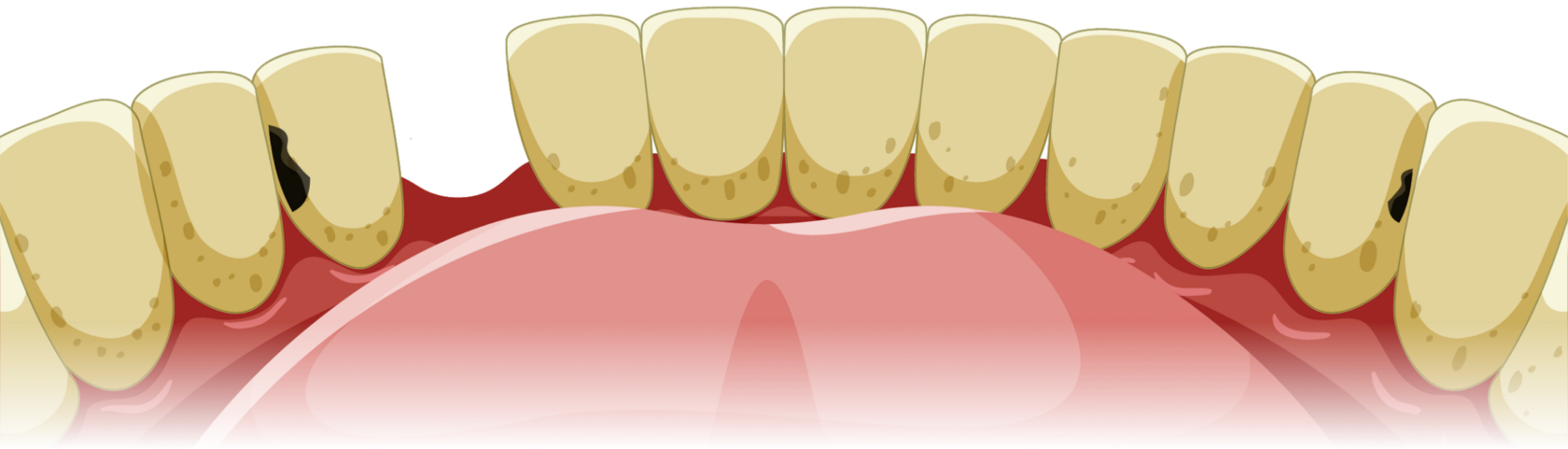
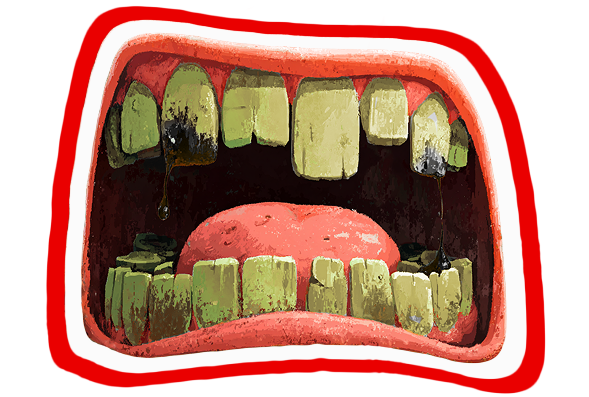
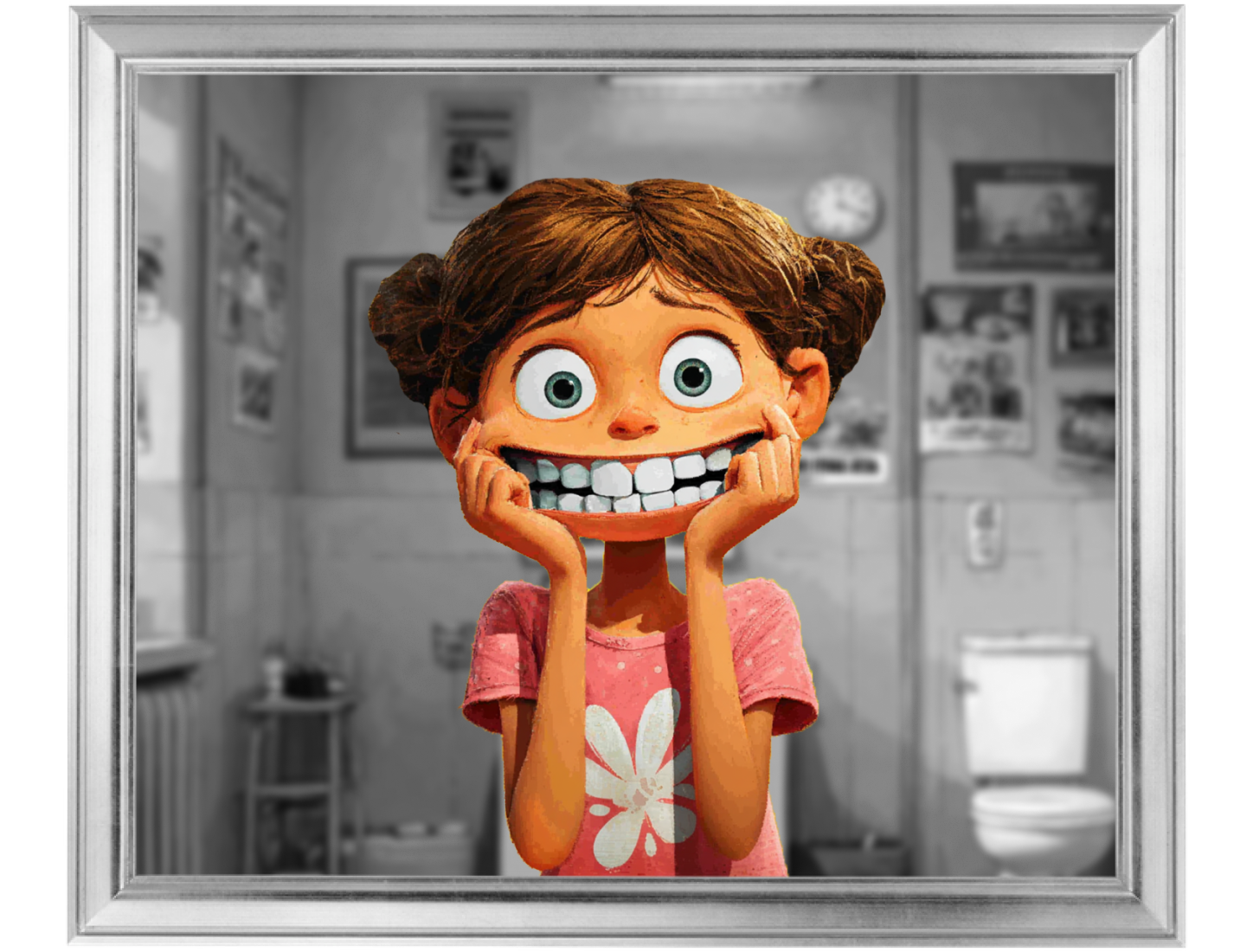
take care of your teeth and visit a doctor, or it will be like your grandfather’s
take care of your teeth and visit a doctor, or it will be like your grandfather’s